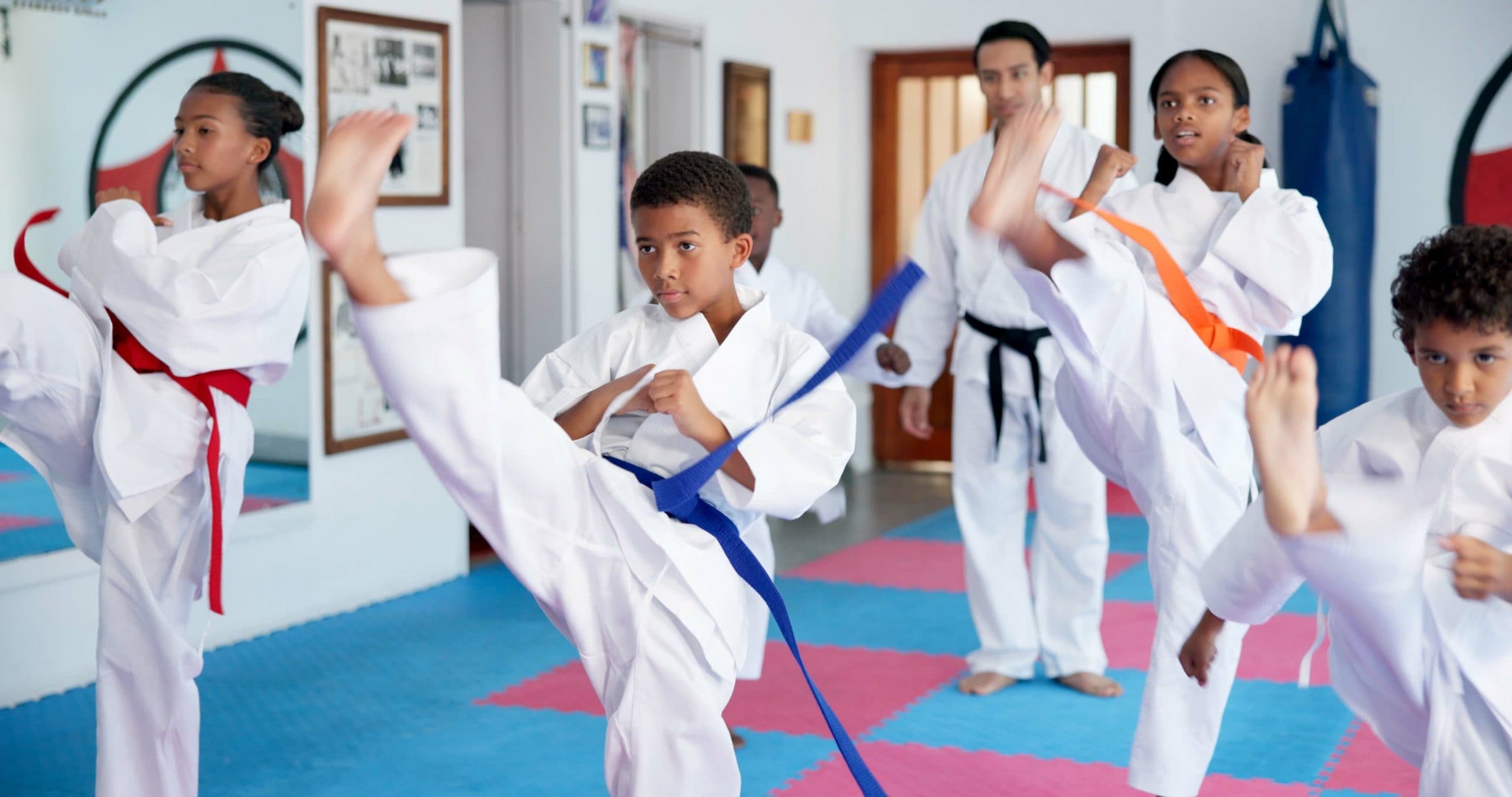
Running a martial arts school with multiple instructors often comes with a common challenge: inconsistency. One class feels structured and engaging, while another covers entirely different material for the same belt level.
This inconsistency can confuse students, slow progression, and impact retention. But solving it doesn’t mean turning your classes into rigid, scripted sessions.
Structure does not mean rigidity. A well-designed martial arts curriculum creates consistency while still giving instructors the freedom to teach in their own style.
The key is building systems that standardize outcomes, not delivery.
Why curriculum matters in traditional martial arts
A clearly defined curriculum creates a foundation for consistent instruction across all classes and instructors. It helps ensure that every student receives the same level of training regardless of who is teaching.
Without this foundation, even experienced schools can struggle to maintain quality and alignment as they grow.
Belt progression depends on structured learning
In disciplines like karate, judo, or a taekwondo curriculum, belt progression is tied to mastering specific techniques and concepts. Without a clear curriculum, students may miss critical skills needed for advancement.
A structured approach ensures that every student progresses with confidence and clarity.
Instructor variability creates gaps
Every instructor brings their own strengths and teaching style. While this is valuable, it can also lead to gaps if there is no shared framework.
Without alignment, students at the same rank may have very different skill levels depending on who taught them.
Student experience suffers without consistency
Consistency builds trust. When students know what to expect from each class, they stay more engaged and motivated.
A lack of structure often leads to frustration, especially for beginners trying to understand their path forward.
The challenge: standardization vs coaching autonomy
Martial arts schools often struggle to balance structure with instructor freedom. Too much control can limit creativity, while too little can create confusion.
The goal is not to choose one over the other, but to design a system that supports both consistency and individuality.
Over-structured = robotic classes
If every class is overly scripted, instructors lose the ability to adapt. This can make sessions feel repetitive and reduce engagement.
Under-structured = inconsistent outcomes
On the other hand, too much flexibility leads to inconsistency. Students may repeat the same techniques or skip important ones entirely.
Finding the balance
The goal is to create a framework that defines what needs to be taught, while leaving room for instructors to decide how they teach it.
This balance is where strong curriculum systems stand out.
What a modern curriculum system should include

A modern curriculum goes beyond static documents. It should be dynamic, trackable, and easy for instructors to follow in real time.
When built correctly, it becomes a tool that supports both teaching quality and operational efficiency.
Skill tracking tied to rank progression
Your martial arts curriculum should clearly map techniques, drills, and concepts to each belt level. This ensures transparency for both students and instructors.
Class planning frameworks
Instead of rigid scripts, provide a flexible martial arts lesson plan that outlines goals for each session. This helps instructors stay aligned while adapting to their class dynamics.
Instructor visibility across students
Instructors should be able to quickly see where each student stands. This improves personalization and ensures no one falls behind.
A defined martial arts class structure also helps maintain consistency across beginner, intermediate, and advanced sessions.
How technology simplifies curriculum delivery
Technology plays a key role in turning your curriculum into a living system rather than a static document. It helps streamline communication, tracking, and updates across your entire school.
This becomes especially important as your student base and instructor team grow.
Centralized curriculum tracking
Managing curriculum through spreadsheets or memory is not scalable. A centralized system allows you to organize and update your curriculum in one place.
Progress visibility for students and coaches
When students can see their progress, they stay motivated. Coaches also gain clarity on what to focus on during each session.
Real-time updates across locations
For multi-location schools, updates need to be instant. Technology ensures that all instructors are aligned, regardless of where they teach.
Real-world example: running multi-instructor dojos
As your dojo grows, maintaining consistency across instructors becomes more complex. Systems help reduce variability without removing the human element of coaching.
This ensures that your brand and teaching standards remain strong, even at scale.
Maintaining consistency at scale
As your school grows, maintaining consistency becomes harder. With multiple instructors and classes, small differences can quickly add up.
A systemized curriculum ensures that every student receives the same quality of instruction.
Ensuring fair belt evaluations
Belt promotions should be based on clear, measurable criteria. Without a structured system, evaluations can become subjective.
Standardization helps maintain fairness and credibility across your school.
How Zen Planner supports curriculum-based training

Zen Planner is designed to help martial arts schools operationalize their curriculum without adding complexity. It connects your teaching framework with your day-to-day operations.
This allows you to scale your school while maintaining quality and flexibility.
Track progression
Zen Planner allows you to track student progress against your curriculum, making it easy to monitor development and prepare for promotions.
Standardize instruction
With centralized tools, you can ensure every instructor follows the same framework while still teaching in their own style.
Maintain flexibility
Zen Planner helps you build structure without limiting creativity, giving your instructors the freedom to deliver engaging classes.
Want to know how to scale your curriculum with ease?
Download the martial arts curriculum planning template, and start building a structured, flexible system that works for your instructors and students.
Also, book a demo with Zen Planner to explore how you can track progress, standardize instruction, and stay flexible as your school grows.
FAQs about martial arts curriculum
1. What is a martial arts curriculum?
A martial arts curriculum is a structured framework that outlines the techniques, skills, and concepts students need to learn at each belt level.
2. How do you create a flexible curriculum?
Start by defining core skills for each level, then allow instructors to choose how they teach those skills based on their class and style.
3. Why is consistency important in martial arts training?
Consistency ensures all students receive the same quality of instruction and are equally prepared for belt progression.
4. Can technology help manage a martial arts curriculum?
Yes, software like Zen Planner helps track progress, standardize instruction, and provide visibility across instructors and locations.
5. How often should a curriculum be updated?
Curriculums should be reviewed regularly, typically every 6–12 months, to ensure they stay relevant and effective.