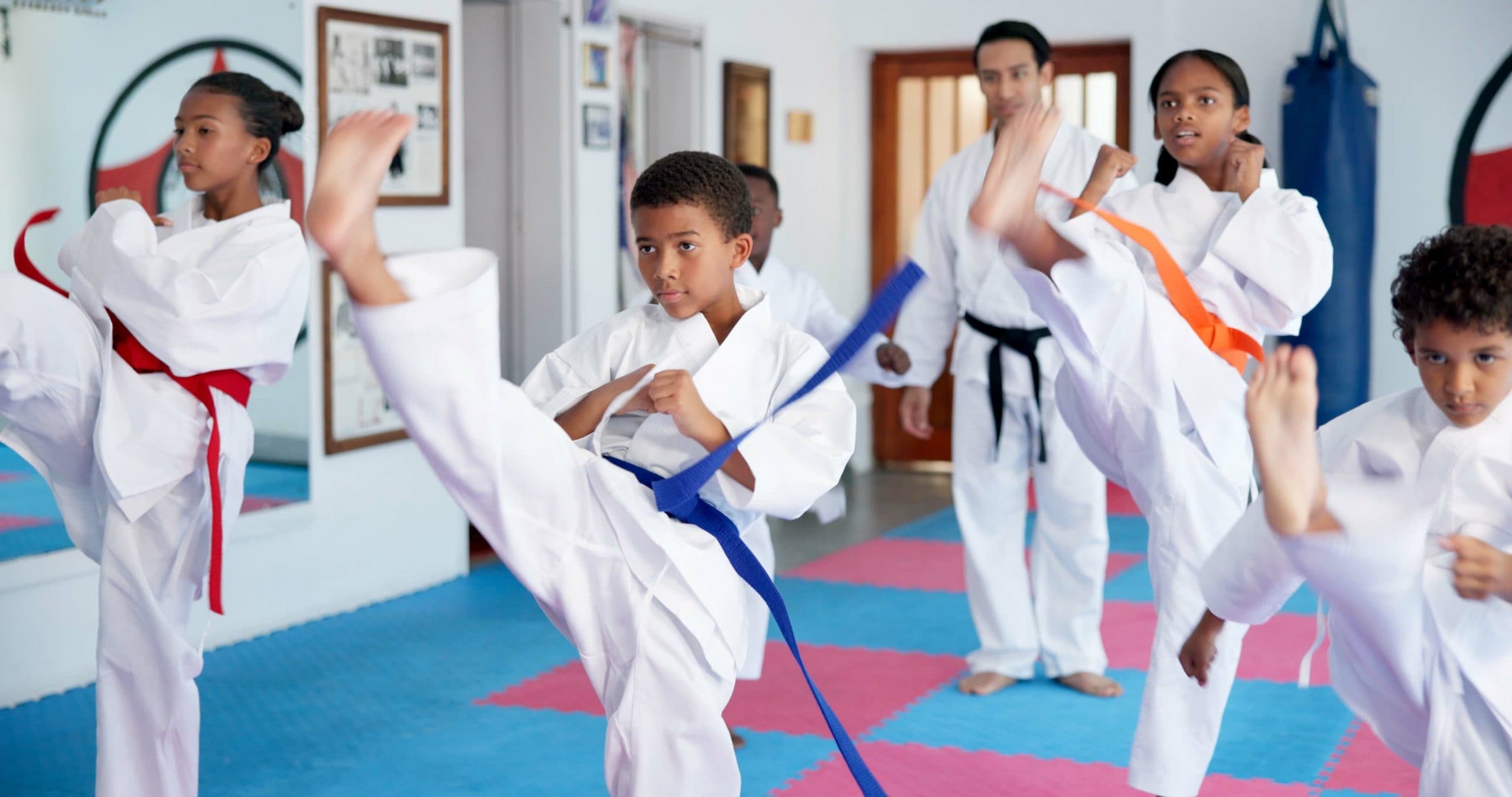
Teaching martial arts is about discipline, consistency, and progress. Running a martial arts school should follow the same principles.
Many instructors open a school because they love teaching. They want to help students gain confidence, build discipline, and improve their skills. But running a successful school requires more than strong instruction. It requires structure, systems, and clear decisions about how the business operates.
If you want to understand how to run a martial arts school that grows without chaos, you need a plan for programs, tuition, scheduling, and communication. With the right structure in place, your school can grow consistently while maintaining the culture that makes martial arts special.
Teaching martial arts is the easy part, running the school is not
Most school owners begin their journey as instructors. They are comfortable on the mat, guiding students through drills and technique. But managing a martial arts school introduces a different set of responsibilities.
An instructor mindset focuses on:
- Teaching technique and curriculum
- Motivating students
- Preparing classes and training sessions
- Supporting belt progression
A school owner mindset must also focus on:
- Enrollment and marketing
- Tuition and membership management
- Class scheduling and instructor coverage
- Student retention and communication
- Operational systems that support growth
Many instructors discover that managing a martial arts school requires balancing both roles. Without structure, it is easy for operations to become reactive instead of intentional.
Why most schools start without a business plan
Many martial arts schools begin with passion. An instructor rents a space, sets up mats, and starts teaching students from the community.
While this approach can work in the early stages, it often creates operational gaps later.
Common challenges include:
- Unclear tuition pricing
- Inconsistent scheduling
- Manual billing and payment tracking
- No structured onboarding process for new students
- Limited communication with parents
These challenges are not uncommon. Many school owners simply start teaching and plan to figure out the business side later.
However, learning how to run a martial arts school effectively means addressing these operational gaps early. Clear planning allows your school to grow while maintaining consistency and professionalism.
The 4 decisions that shape a martial arts school

Every successful martial arts school is built on a few key decisions. When these foundations are clear, growth becomes much easier to manage.
1. Program structure and target students
One of the most important martial arts business tips is to clearly define your programs and ideal students.
Instead of trying to serve everyone, many successful schools organize programs around:
- Age groups such as kids, teens, and adults
- Beginner versus advanced training paths
- Specific outcomes like competition, discipline, or fitness
Clear program structure helps new students understand where they belong. It also helps instructors deliver a consistent training experience.
For school owners focused on how to grow a martial arts school, clarity in program structure makes marketing and enrollment conversations much easier.
2. Tuition and membership design
Tuition structure plays a major role in the stability of your school. A well-designed tuition model should:
- Be simple for families to understand
- Support predictable monthly revenue
- Align with the value of your programs
Many schools also support families with multiple students by offering family membership management, allowing parents to manage payments and student accounts more easily.
Strong tuition design reduces administrative complexity and helps schools maintain consistent revenue.
3. Class schedule and instructor coverage
Scheduling can become complicated as schools grow. Without planning, schedules can expand quickly while attendance remains uneven.
When designing your schedule, consider:
- Peak training times for students
- Instructor availability
- Class capacity and mat space
- Student progression paths
Thoughtful scheduling helps maintain energy in classes while supporting instructors. It is also an important part of scaling a martial arts school without overextending your team.
4. Systems for billing and communication
Operational systems play a critical role in martial arts school management.
Manual processes often lead to issues such as missed payments, delayed responses to parents, and inconsistent communication.
Effective martial arts school systems typically include:
- Automated tuition billing
- Student and family account management
- Attendance tracking
- Communication tools for updates and announcements
Using purpose-built software designed for martial arts schools can help simplify these tasks while maintaining professionalism.
For example, platforms like Zen Planner help schools manage student records, automate tuition payments, and maintain consistent communication with families.
Planning for discipline, structure, and growth

Martial arts schools teach discipline every day. The business behind the school should reflect the same principle.
Planning supports growth by creating structure across operations. When expectations are clear, instructors can focus on teaching while systems handle the administrative workload.
Strong planning supports:
- Consistent class experiences
- Clear communication with families
- Reliable billing and payment processes
- Better visibility into student engagement
These systems create stability for both instructors and students.
What changes when you start with a blueprint
Schools that adopt a structured approach to managing a martial arts school often experience several important improvements.
1. Consistency
Classes follow a predictable schedule. Tuition runs automatically. Communication happens on a regular cadence.
Consistency builds trust with students and parents.
2. Confidence with parents
Parents want to know if their children are part of a structured program. Clear communication, organized schedules, and transparent tuition help build that confidence.
3. Better retention
Retention improves when students:
- Understand their progression path
- Feel connected to the school community
- Receive recognition for milestones
Retention is one of the most important factors in how to grow a martial arts school sustainably.
Build your school the right way
Learning how to run a martial arts school successfully requires more than teaching great classes. It requires building a foundation that supports growth.
When schools focus on:
- Clear program structure
- Sustainable tuition models
- Thoughtful scheduling
- Reliable operational systems
They create an environment where instructors can focus on students while the business operates smoothly.
How does the blueprint for martial arts school success help?
If you want a step-by-step framework for building and managing a martial arts school, the Blueprint for Martial Arts School Success provides practical guidance. Inside the guide, you will learn how to:
- Structure your programs and classes
- Design tuition that supports growth
- Build operational systems that reduce administrative work
- Improve retention through better student experiences
Download the guide today and start building your school with clarity.
FAQs about running a martial arts school
1. What is the most important part of running a martial arts school?
The most important part of running a martial arts school is creating consistent systems. Strong programs, clear tuition models, structured schedules, and reliable communication all contribute to a stable and professional school environment.
2. How do martial arts schools retain students?
Retention improves when students experience clear progress, supportive instruction, and consistent communication. Recognizing milestones, maintaining structured classes, and building community are also important factors.
3. What systems should a martial arts school have?
Most schools benefit from systems for tuition billing, attendance tracking, student management, and parent communication. These systems help reduce administrative work and support consistent operations.
4. How can I grow my martial arts school?
Growth often comes from improving retention, refining programs, maintaining consistent marketing, and ensuring operations run smoothly. Schools that focus on student experience tend to grow more sustainably.
5. Do martial arts schools need management software?
Many schools use martial arts school management software to automate billing, manage student records, track attendance, and communicate with families. This helps instructors spend more time teaching and less time handling administrative tasks.