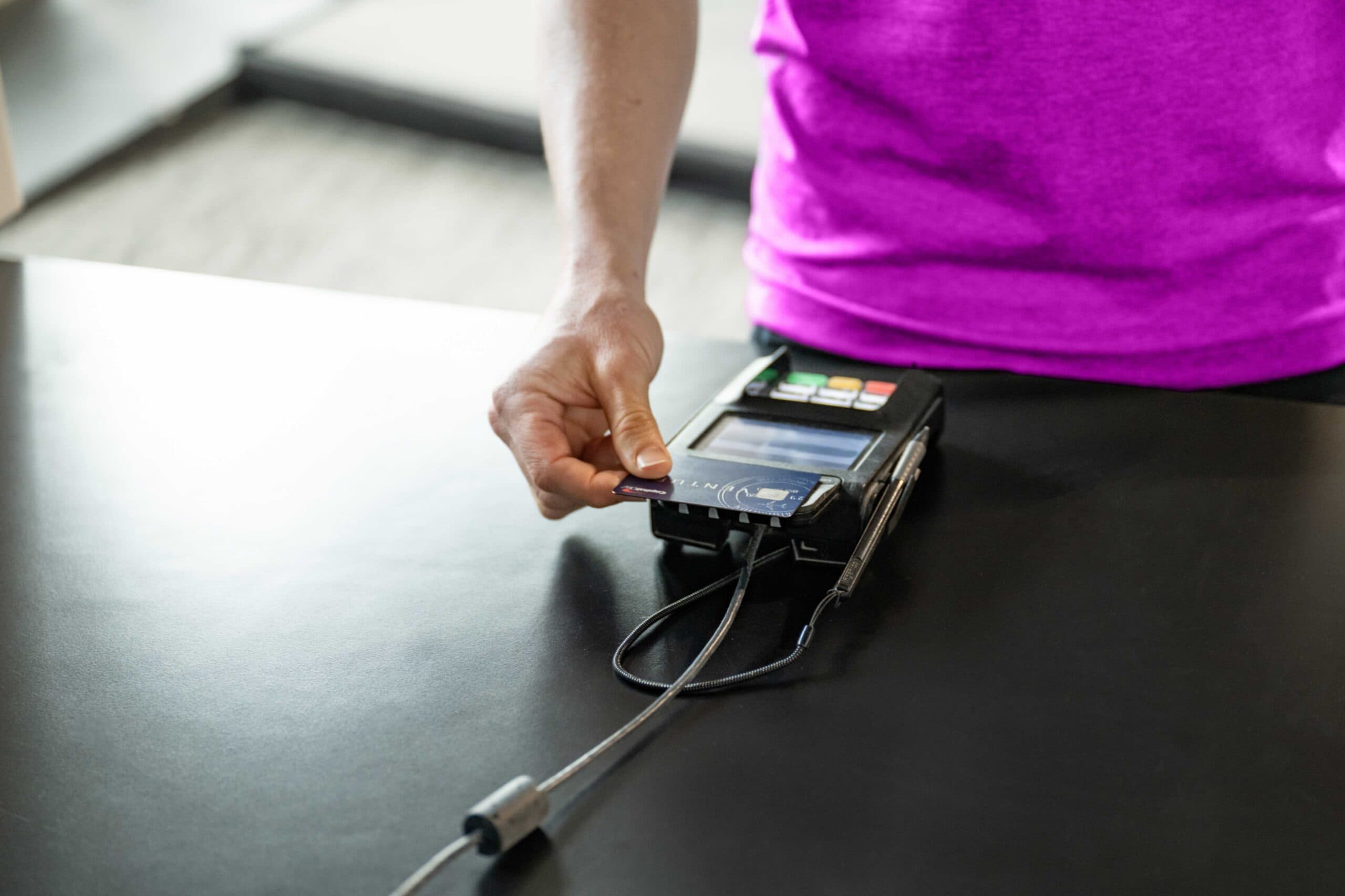
Your front desk team sets the tone for your entire gym. They are the first people members interact with, the ones answering questions during peak hours, and the bridge between your operations, coaching staff, and members. When front desk staff are well-trained, everything runs more smoothly. When they are not, small issues quickly turn into member frustration.
Knowing how to train front desk gym staff is about more than teaching tasks — it is about building confidence, consistency, and service standards that reflect your brand.
Why front desk training matters more than most gym owners realize
Front desk staff influence first impressions for new leads, daily member satisfaction, retention and referrals, and operational efficiency during busy hours. A member who has a frustrating check-in experience, waits too long for a billing question, or receives inconsistent information from different staff members loses confidence in how your gym operates.
Strong training ensures your team can deliver great member experiences while staying organized under pressure. How gym owners use software to maximize member engagement covers how the front desk interaction quality connects directly to the engagement patterns that determine whether a member renews.
Core areas to focus on when training front desk gym staff
Customer service fundamentals
Before software, schedules, or policies, front desk staff need to understand how members should feel when they walk in. Active listening instead of rushed responses. Empathy, especially during complaints or billing confusion. Clear communication without jargon. Professional warmth, even during the busiest classes.
Documented desk procedures that reduce errors
Document and teach: member check-in and verification, class booking and waitlist handling, membership changes and renewals, handling calls and walk-ins simultaneously, and escalation paths for issues requiring management involvement. When procedures are standardized and reinforced with software, staff feel confident and members experience consistency. 5 ways studio management software saves you time every week covers how documented procedures backed by software automation remove the manual overhead that creates front desk bottlenecks.
Product and membership knowledge
Front desk staff do not need to sell aggressively, but they must understand what you offer — membership types and pricing, class formats, personal training or specialty programs, and current promotions. When staff can explain options clearly and accurately, members feel supported rather than upsold.
Complaint handling that protects member relationships
Train staff to stay calm and neutral, avoid defensiveness, focus on solutions rather than blame, and know when to escalate. A simple framework — listen, acknowledge, act, follow up — goes a long way in protecting member relationships when something goes wrong.
Internal communication that keeps operations aligned
Front desk teams need to know how to relay class changes to trainers, where to log member feedback, when to alert management to recurring issues, and how to communicate schedule or billing updates accurately. Improve member retention with fitness studio management software covers how operational consistency at the front desk connects directly to the retention outcomes that determine long-term revenue.
How technology supports better front desk training
Fitness studio management software allows front desk staff to check members in quickly from any device, manage class schedules and waitlists without paper, view member profiles and notes for context before a conversation, and stay consistent during peak hours when the volume of interactions is highest.
A well-trained front desk team using Daxko Zen Planner handles more interactions with less effort and fewer errors than one working from disconnected tools or manual processes. For martial arts studios specifically, martial arts studio management software gives front desk staff immediate access to belt progression records, upcoming test schedules, and parent communication history. Daxko Engage AI surfaces member behavioral data that front desk staff can use to make every interaction more personalized and informed.
Best practices for ongoing front desk development
Refresh training quarterly, not just during onboarding. Role-play common scenarios — billing disputes, membership upgrade conversations, first-visit new member questions — so staff build confidence before these situations happen live. Encourage feedback from front desk staff — they see patterns early, and that operational intelligence is worth capturing systematically.
Frequently asked questions (FAQs)
What should front desk gym staff training cover?
Customer service fundamentals, documented desk procedures, product and membership knowledge, complaint handling frameworks, internal communication protocols, and hands-on training with your gym management software.
How long does it take to train front desk gym staff effectively?
Initial training typically covers the first two weeks — procedures, software, customer service basics, and shadowing experienced staff. Role-play and scenario practice add another week of confidence building. Ongoing development should continue quarterly.
How does gym software support front desk training?
By giving staff a single system to handle check-ins, scheduling, billing, and member communication — reducing the number of tools they need to learn and the number of manual steps that create errors.
What is the most common front desk training failure at gyms?
Training as a one-time event rather than an ongoing process. Front desks trained at onboarding but never refreshed develop workarounds as procedures evolve, miss system updates, and gradually drift from the service standards they were initially trained to deliver.
How does front desk quality affect member retention?
Front desk interactions are the most frequent touchpoint most members have with your gym outside of classes. Consistent, competent, personal service at the front desk reinforces the member’s confidence in their decision to belong to your gym — which directly affects renewal likelihood.
Should front desk staff be trained on member data and profiles?
Yes. Access to a member’s class history, billing status, communication history, and membership type gives front desk staff the context to make interactions feel personal rather than transactional.
Ready to build a front desk team that delivers every time?
Clear training, documented procedures, and the right software make consistency achievable at any scale. Book a demo.