
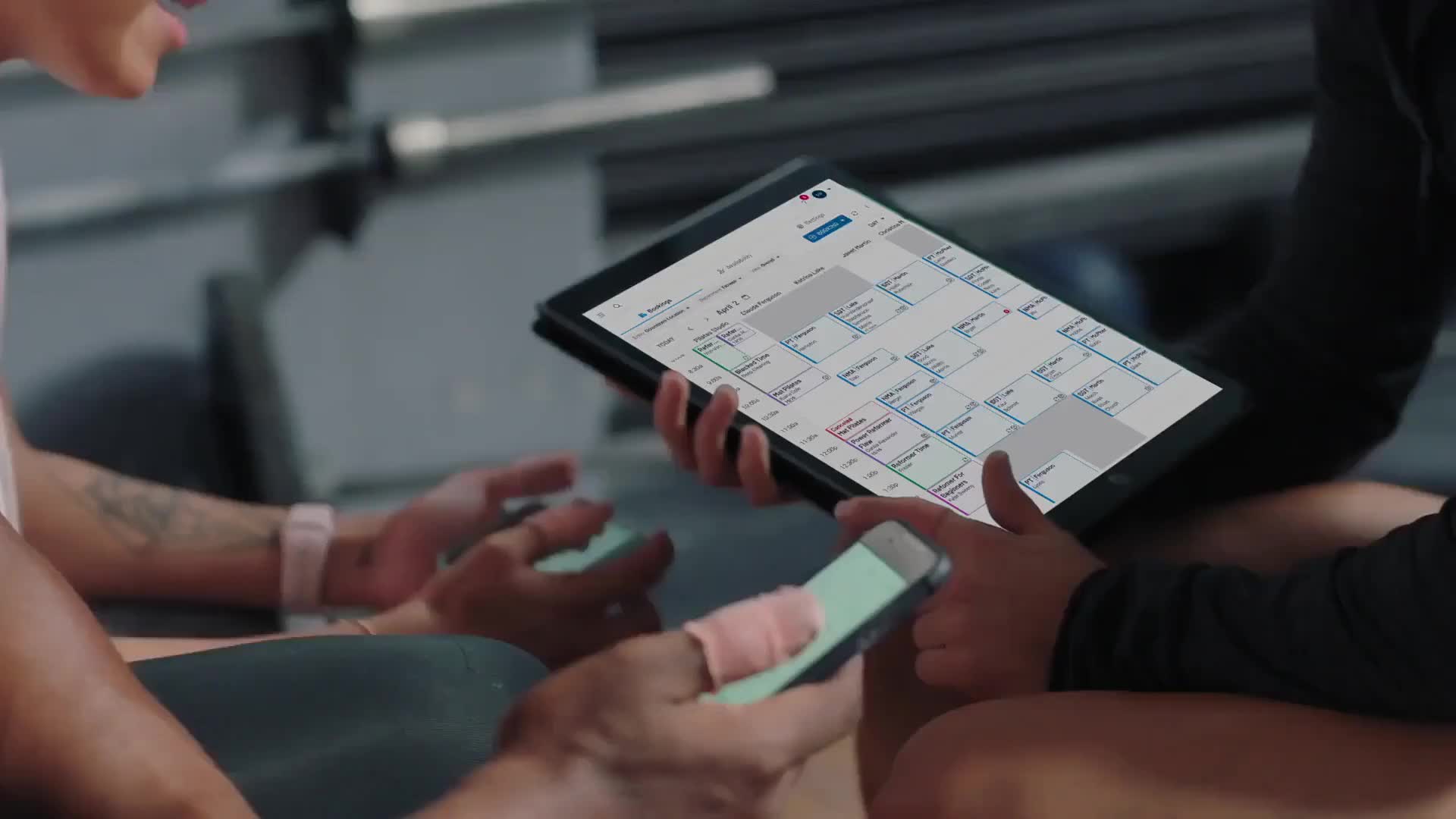
Gym Management Software
Less admin. More coaching. Stronger community.
Trusted by 5,000+ fitness businesses






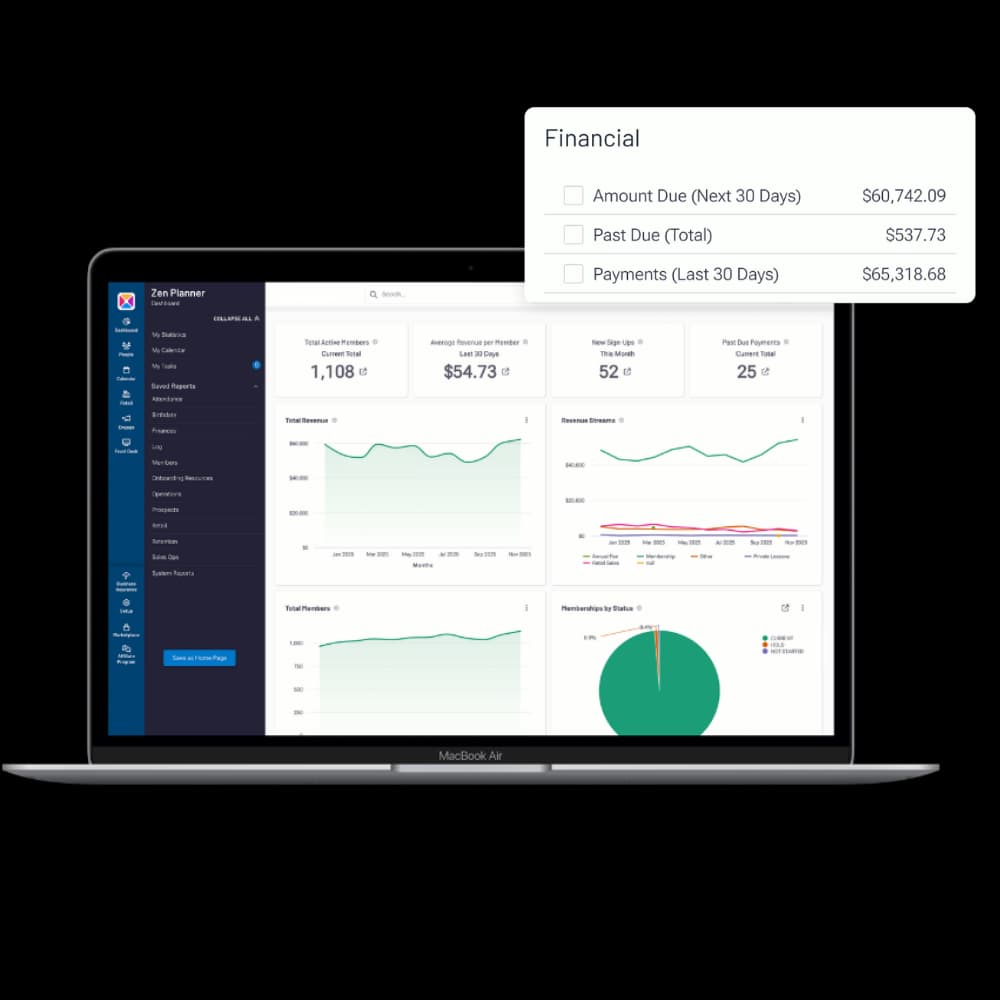
The software behind your entire fitness business
Operations that run themselves
Member journeys that feel personal
A community that stays connected
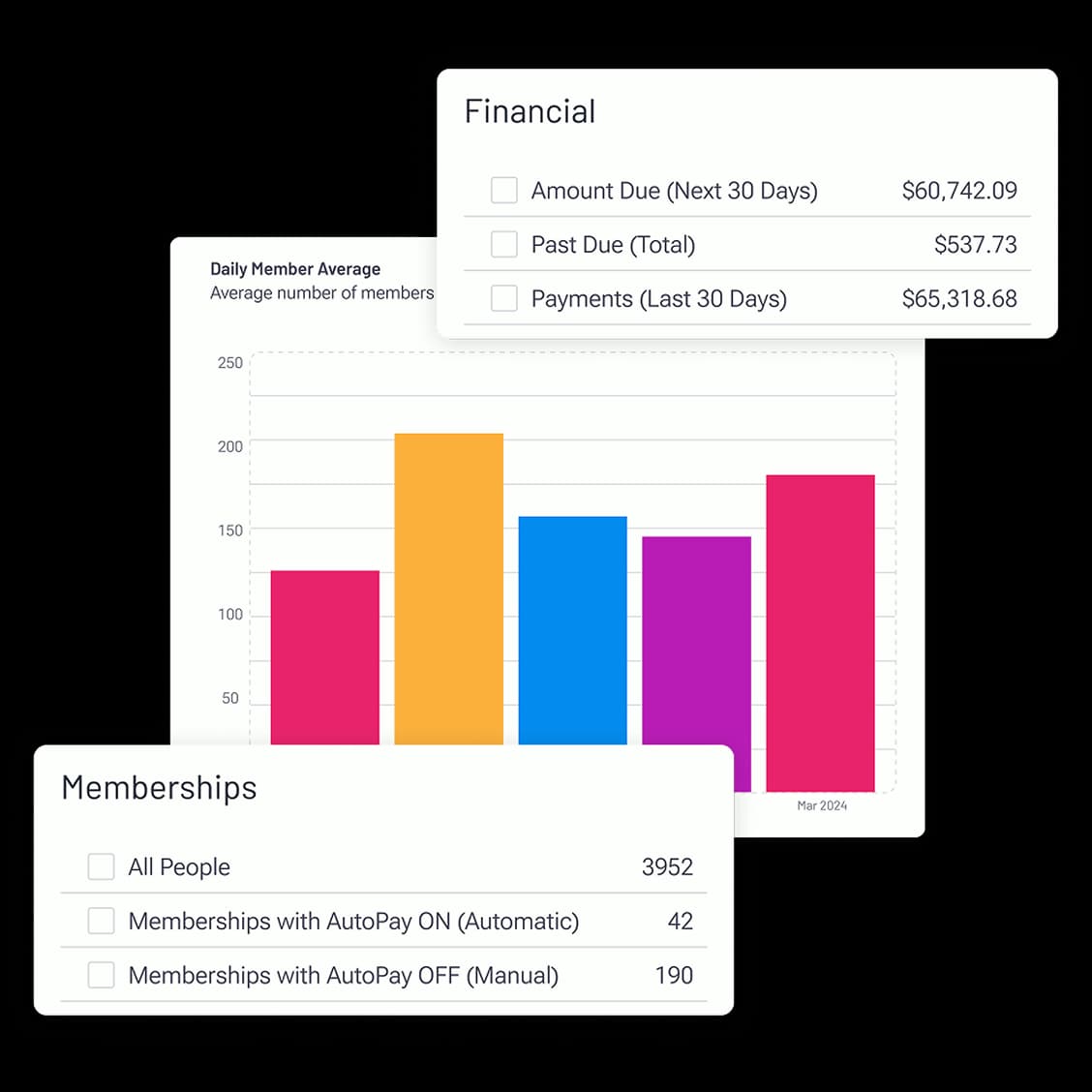
Operations that run themselves
Scheduling, billing, attendance, and staff workflows stay organized so your team can focus on coaching, not admin.
Operations that run themselves
Scheduling, billing, attendance, and staff workflows stay organized so your team can focus on coaching, not admin.
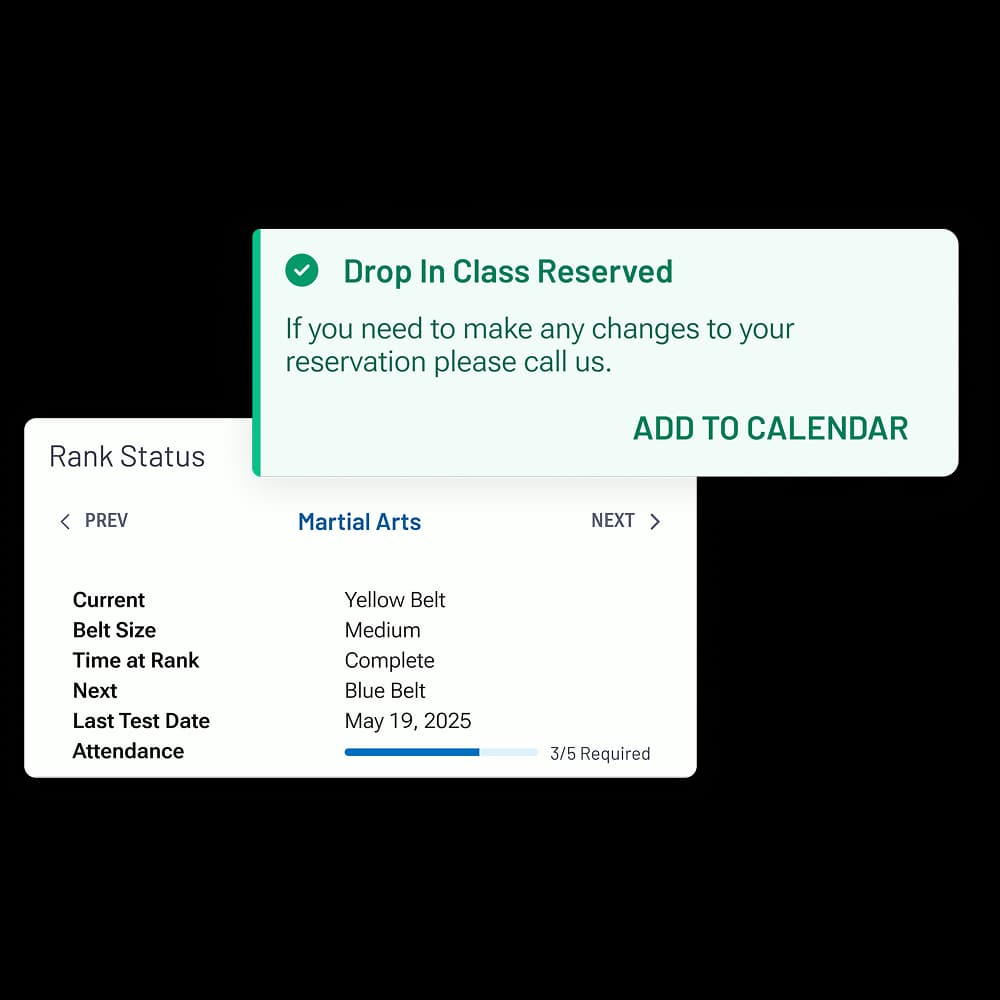
Member journeys that feel personal
Automated follow-ups, trial nurturing, progress tracking, and milestone recognition help members feel supported
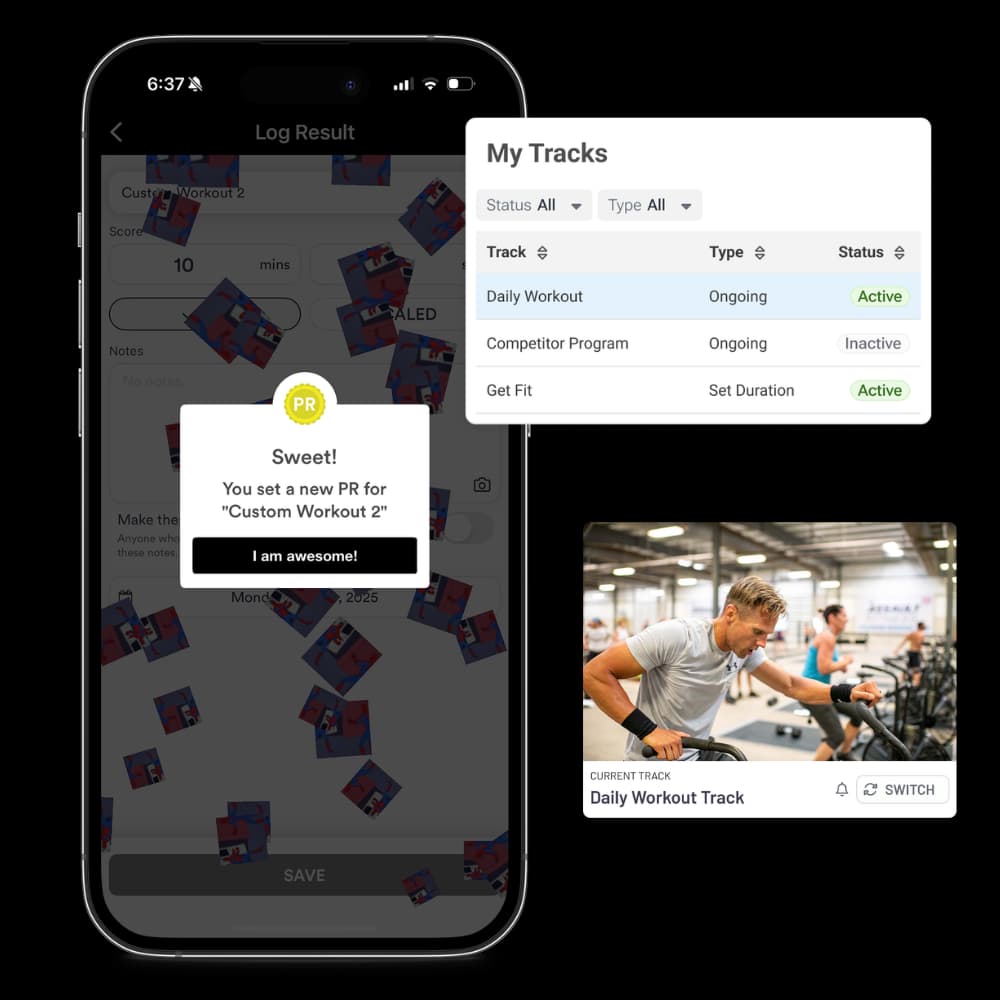
A community that stays connected
Workout logging, progress visibility, and shared celebrations motivate members to show up, support each other, and stay longer.
Who We Serve
Fitness business software for every gym, studio, and academy

Martial Arts



Functional Fitness



Boutique Fitness


Switching is Simple
Move your gym to Zen Planner without the headaches


Step 1
Meet your specialist
Meet your specialist
We map out your gym or studio’s setup and handle the details for you.

Step 2
Your data moves seamlessly
We migrate everything behind the scenes with no lost payments or member disruption.

Step 3
Launch with confidence
Your system is set up, your staff is trained, and your fitness studio management software runs smoothly from day one.
Tools for Your Fitness Business
Stop feeling pulled away from the work that matters
Run daily operations without the chaos

Turn more leads into loyal members
More ways to grow, built right in
Recognized by the industry, trusted by owners like you









Customer Stories
How fitness businesses use Zen Planner to grow


Saving 10-12 hours per week, per location
“It’s been really effective in making sure all of our schools are on the same page and helped us out massively with our POS and retail. It’s really saved us about 10-12 hours a week per location.”


"Easily manage and grow the business"
“The ability to track clients and their memberships has allowed us to easily manage and grow the business…. Zen Planner is absolutely something I recommend and will continue to use.”


"It was the clear choice"
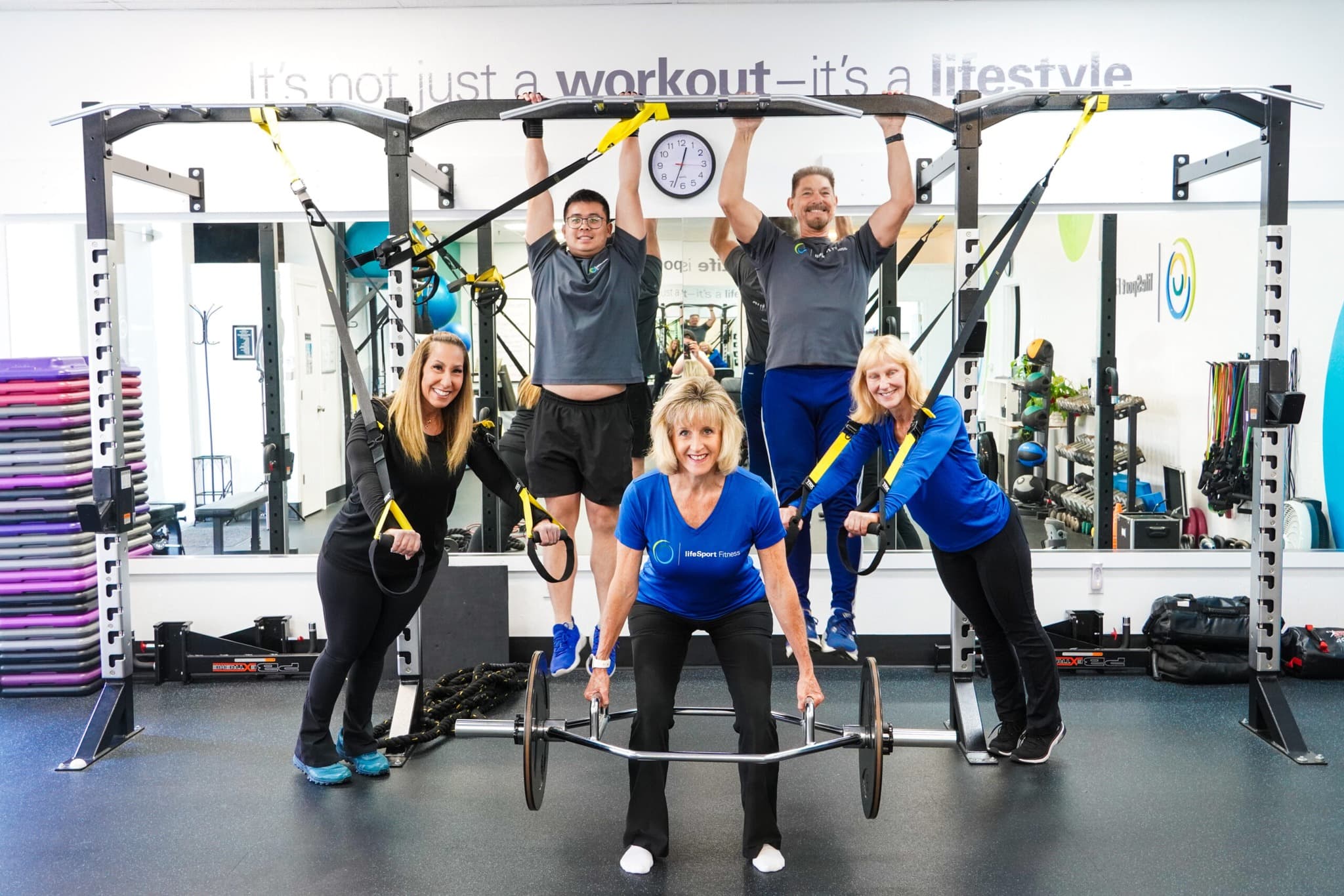
“I demoed every major software platform out there, and a lot of them were clunky or glitchy. In our previous gym experience, we used a different software, and I constantly saw people frustrated—leaderboards were public, the system crashed, and it wasn’t user-friendly. I knew Zen Planner had to be smooth, reliable, and private when needed. After months of research, it was the clear choice. And to this day, it hasn’t let us down.”

Saving 10-12 hours per week, per location
“It’s been really effective in making sure all of our schools are on the same page and helped us out massively with our POS and retail. It’s really saved us about 10-12 hours a week per location.”
"Easily manage and grow the business"
“The ability to track clients and their memberships has allowed us to easily manage and grow the business…. Zen Planner is absolutely something I recommend and will continue to use.”
"It was the clear choice"
“I demoed every major software platform out there, and a lot of them were clunky or glitchy. In our previous gym experience, we used a different software, and I constantly saw people frustrated—leaderboards were public, the system crashed, and it wasn’t user-friendly. I knew Zen Planner had to be smooth, reliable, and private when needed. After months of research, it was the clear choice. And to this day, it hasn’t let us down.”
Saving 10-12 hours per week, per location
“It’s been really effective in making sure all of our schools are on the same page and helped us out massively with our POS and retail. It’s really saved us about 10-12 hours a week per location.”
"Easily manage and grow the business"
“The ability to track clients and their memberships has allowed us to easily manage and grow the business…. Zen Planner is absolutely something I recommend and will continue to use.”
"It was the clear choice"
“I demoed every major software platform out there, and a lot of them were clunky or glitchy. In our previous gym experience, we used a different software, and I constantly saw people frustrated—leaderboards were public, the system crashed, and it wasn’t user-friendly. I knew Zen Planner had to be smooth, reliable, and private when needed. After months of research, it was the clear choice. And to this day, it hasn’t let us down.”
Helpful Resources to Scale
Support for every stage of growth

Guides
Dec 22, 2025Gym member re-engagement plan: A 4-week framework designed to support long-term retention

Blogs
May 20, 2026Gym automation ROI: what fitness businesses actually gain when they stop doing it manually

Automation
Dec 19, 2025Retention playbooks: 3 gym retention automation recipes you probably haven’t tried

Book a demo
See how Zen Planner’s fitness business management software helps you simplify operations, engage members, and strengthen your community. Our team will walk you through how everything works together to support your growth.